

Audio version narrated by an AI voice.
Need To Know
Veterans defeated the proposed $5,000 allied-health threshold, but that victory did not establish where governments should draw the line next time. A Senate inquiry proposed by NSW Liberal Senator Jess Collins will examine monetary and numerical restrictions on Department of Veterans’ Affairs-funded healthcare and whether veterans need stronger protection in law. My argument is that Parliament should return to the first principles of Repatriation and separate the cost of administering DVA from the clinically necessary care Australia has accepted responsibility to provide.
———
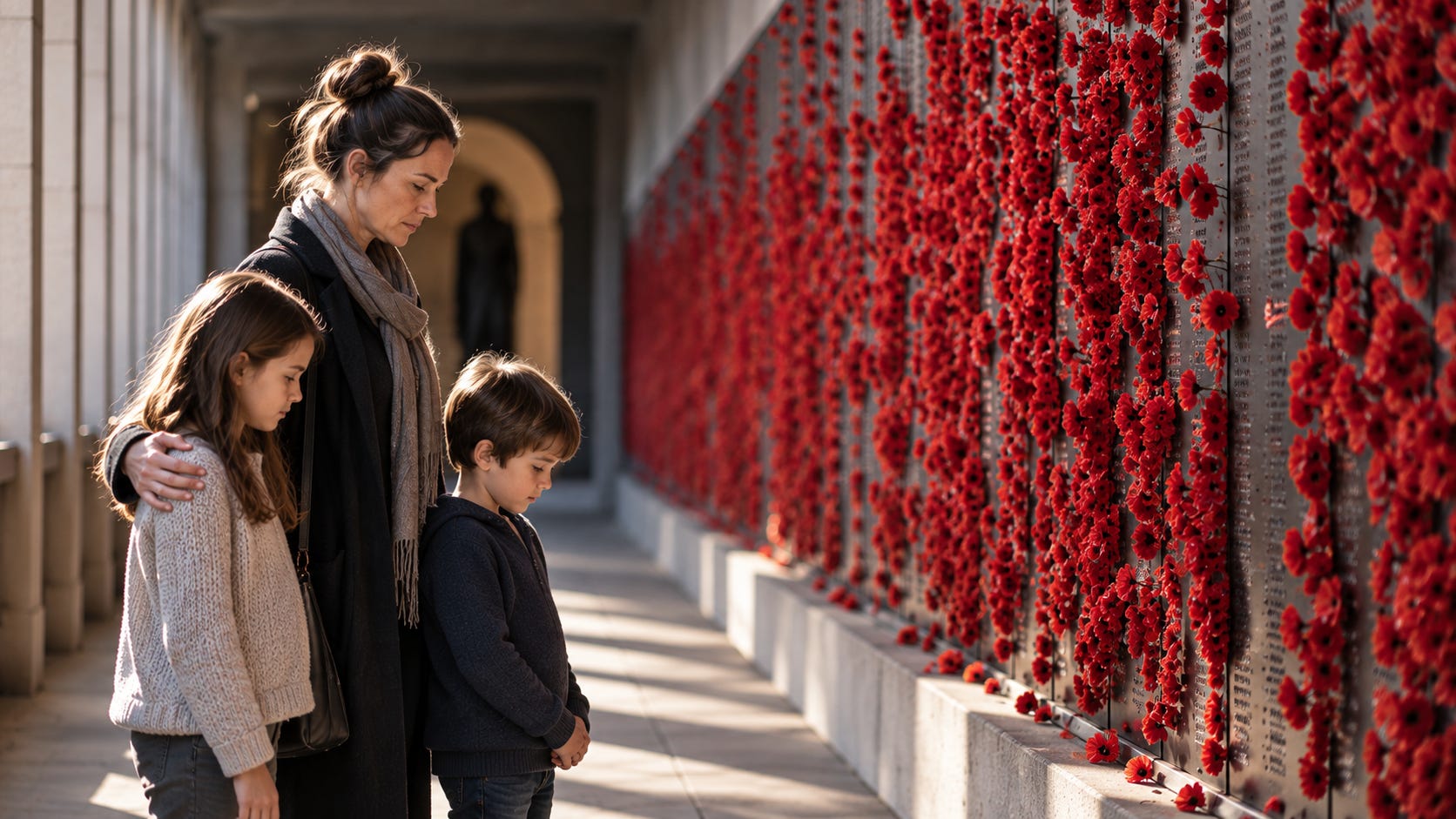
Repatriation begins with remembrance, but its promise must endure long after the service ends.
⸻
Veterans killed off the proposed $5,000 allied-health threshold, but winning that fight did not answer the question underneath it: what stops another government imposing the next limit in a different form?
Later that day, the Senate backed a referral proposed by NSW Liberal Senator Jess Collins for an inquiry into Department of Veterans’ Affairs-funded health treatment. Collins also chairs the Foreign Affairs, Defence and Trade References Committee conducting the inquiry.
Seven terms of reference take the committee well beyond the abandoned threshold. The inquiry will examine monetary limits, expenditure thresholds, treatment numbers, review points, extra approvals and co-contributions, along with continuity of care, complex conditions and the particular problems facing veterans in regional, rural and remote Australia.
Term four goes to the heart of what happens next because it asks whether existing statutory protections are adequate and whether veterans need stronger protection in law against monetary and numerical restrictions on treatment. Parliament cannot write lasting protection until it decides what obligation that protection exists to defend.
Repatriation gives Parliament somewhere to start because Australia accepted that military service could leave consequences for which the nation carried a special responsibility. Hospitals, departments, legislation, cards, contracts and providers can change while that responsibility remains.
My recent articles have followed what happened as Australia changed the way it honoured its first-principles Repatriation responsibility. Commonwealth-owned Repatriation hospitals disappeared, treatment increasingly moved through public and private providers, the Repatriation Commission survived, and today a Gold Card can say ALL CONDITIONS while a veteran can still encounter a practitioner who does not accept DVA patients.
Going back to first principles does not mean going backwards. Nobody needs to rebuild the old Repats or restore yesterday’s bureaucracy to ask which principles justified a separate Repatriation system in the first place, and which remain relevant now and going forward.
The Scrap the Cap victory shows why Parliament needs a principle that survives individual policy fights. Veterans stopped one $5,000 threshold, but nothing about that victory alone explains why another dollar figure, treatment number, review point or approval hurdle should or should not be acceptable next time.
My position draws a clear line between two very different kinds of expenditure. Government should set and control the Department of Veterans’ Affairs (DVA) administrative budget, including what it costs to employ people, run systems and administer the department.
Clinically necessary treatment is different. Once Australia has accepted responsibility for a veteran’s condition and appropriate clinical care has been determined, that treatment should not be squeezed into a funding envelope set by the government of the day through its Expenditure Review Committee, with Treasury and the Department of Finance performing their respective roles in the Budget process.
Putting the funding envelope first reverses the proper moral sequence. Clinical need no longer determines the care required under an accepted obligation; the amount government has decided to spend starts determining how much clinically necessary care the system is prepared to provide.
Term five makes that distinction impossible to avoid because the committee must examine the financial, clinical and administrative implications of restricting, removing or prohibiting treatment limits. Financial discipline, clinical need and administration all matter, but the financial consideration should not swallow the clinical one.
Government can still pursue fraud, over-servicing, waste and poor administration without putting an arbitrary ceiling over legitimate care. Repatriation first principles provide the test: government controls what it costs to administer the obligation, while clinically necessary treatment should follow the accepted responsibility and genuine clinical need.
Continuity of care shows what that means away from the spreadsheets. A veteran with a complex or chronic condition does not stop needing clinically determined treatment because an annual dollar figure or treatment number has been reached.
Regional, rural and remote Australia exposes the same problem from another direction. An entitlement written into law or printed on a Veteran Card is of limited use when the veteran cannot turn it into treatment, so practical access must matter when Parliament judges whether the Repatriation responsibility is actually being honoured.
Submissions close on 2 October, giving veterans, families, carers, clinicians and advocates an opportunity to put their own experiences and views directly before the committee. Anyone who has encountered treatment limits, approval hurdles, interrupted care or problems finding DVA providers can tell the Senate what those arrangements look like from their end of the system.
Australia can keep changing how veterans receive healthcare, but government should be able to budget the administration of Repatriation without allowing a predetermined funding envelope to redefine the clinically necessary care required to honour its first-principles responsibility.
If you believe Australia needs to return to the first principles of Repatriation, add your count to Veterans Count now. Send Veterans Count to five veterans, family members, carers or supporters and ask them to add their count and send it to five more. You can also make your own submission to the Senate inquiry before submissions close on 2 October. Every vote counts. Every count matters.
My writing stays free. If you’d like to help keep it going, you can support it here.