Artificial Intelligence Made The Albo Joke Look Like Proof
Politicians are fair game, but realistic fake images can turn business-page parody into evidence.

NEED TO KNOW
Anthony Albanese’s 47 per cent co-owner memes are no longer just Budget jokes. Lawyer Charlotte Hale’s warning exposed the new problem: realistic artificial intelligence can turn political parody on a business page into apparent endorsement, attendance or affiliation. Politicians should wear ridicule, but the old democratic joke now needs clearer edges because fake images can look real enough to carry legal meaning.
———
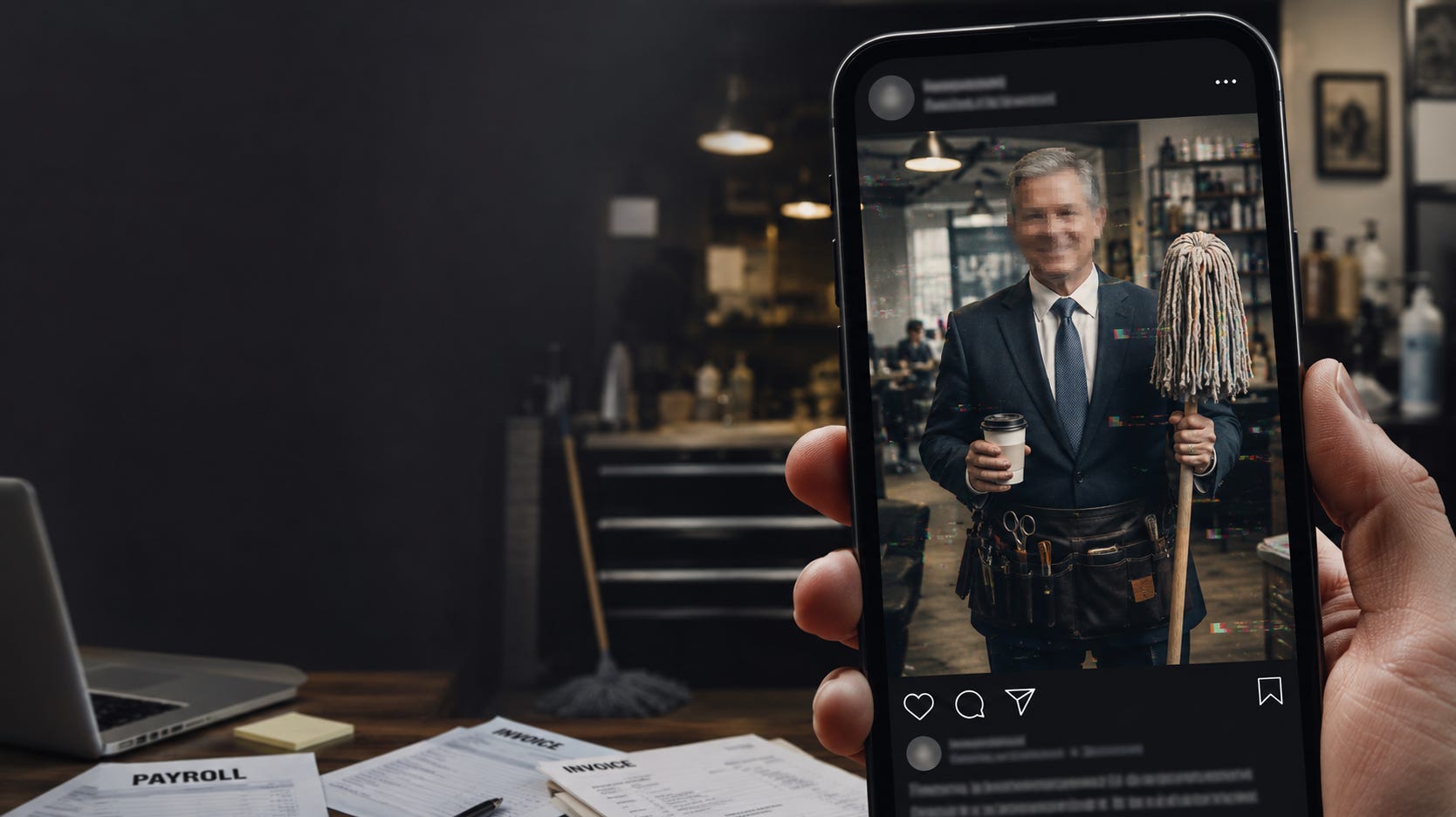
When political parody starts looking like proof, even a business-page joke can carry legal risk. (Ai generated image…doh!)
⸻
Anthony Albanese did not need to sue anyone for the 47 per cent co-owner meme to reveal how fast a political joke can acquire legal weight.
At first, the story looked simple. Business owners angry about Labor’s proposed capital gains tax (CGT) changes used artificial intelligence (AI) to place the Prime Minister inside workshops, salons and office scenes as their new silent partner.
Scrolling voters saw the joke immediately: if Canberra wants a bigger share of the gain, Canberra can pick up a broom, weld a frame or answer the bloody phone. Founders and tradies heard something harder, because the meme translated tax policy into unpaid risk, late nights, payroll stress and the old feeling that government arrives only when the upside appears.
Lawyer Charlotte Hale’s warning matters because it showed where the joke crossed from political theatre into the grey zone of business communication.
Hale’s point was not that Albanese owns his face. Australia has no broad standalone image right giving a politician control over every commercial use of their likeness. Risk begins when a realistic post creates the impression that a person endorsed, approved, sponsored, attended or had a commercial connection with the business.
Australian Consumer Law (ACL) starts to matter when a political joke begins behaving like a commercial claim.
Personal ridicule and business-page satire are not heard the same way. A personal post says what someone thinks, while a branded post sits beside logos, staff, customers, comments, shares and sometimes paid promotion.
Serving politicians should be slow to sue over obvious parody, because public opinion can punish thin skin harder than a judge can repair reputation. Business owners still need to recognise that realistic AI changes the old bargain, because a fake photo can look like a real visit, a real endorsement or a real accusation. Small business firms already carry tax, wages, rent, insurance, superannuation and compliance, so the legal warning lands with a sour little message: even the joke now needs a risk assessment.
Artificial intelligence has not killed political parody, but it has made old-fashioned ridicule carry a new legal shadow.
Does AI make political parody sharper, or legally more dangerous?